Description
1. Product Description
Trade Name: TBEIC
Chemical Name: Triglycidyl Isocyanurate (TGIC)
Molecular Formula: C₁₂H₁₅N₃O₆
Molecular Weight: 297
2. Packaging, Storage and Precautions
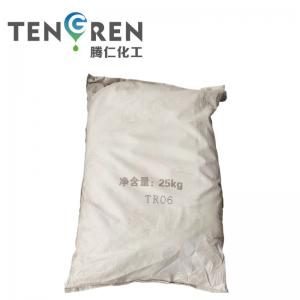
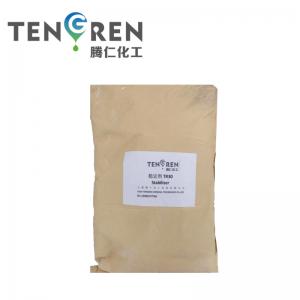
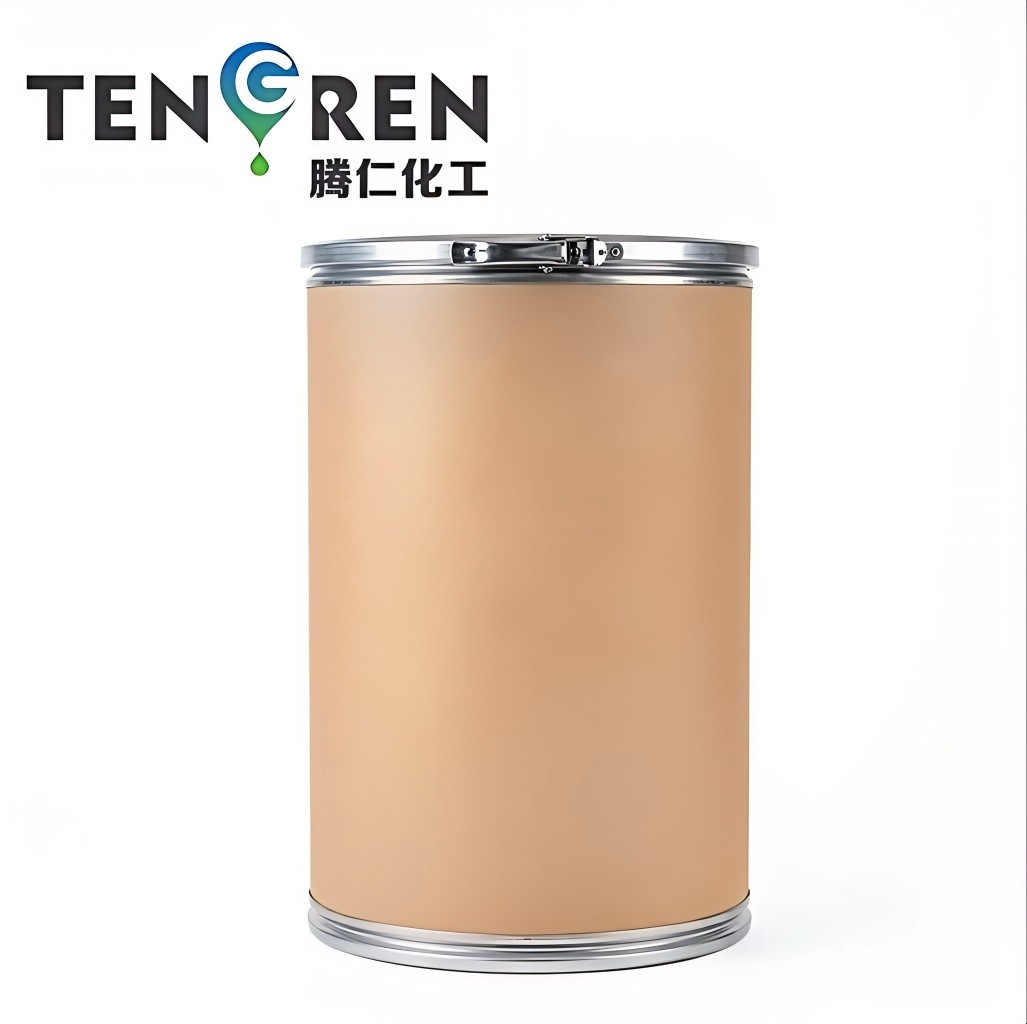
Packed in 25 kg PE or plastic woven bags (customizable according to customer requirements).
TGIC is a high-temperature stable epoxy resin and can be stored for half a year under normal conditions, provided the following protective measures are strictly followed:(1) Store in a cool and dry place, avoid direct heating, and keep away from moisture.(2) Once opened, store away from high temperature and water.
TGIC is a toxic compound. During operation, personnel must wear impermeable gloves, safety goggles and masks to avoid inhaling dust and contact with eyes and skin.In case of skin contact: wash immediately with soap water.In case of eye contact: rinse immediately with plenty of water and seek medical attention promptly.
3. Technical Specifications
The company supplies two grades of TGIC:
|
Item |
TR-702 |
TR-708 |
|
Appearance |
White granules or powder |
White granules or powder |
|
Epoxy Equivalent (g/mol) ≤ |
110 |
105 |
|
Total Chlorine Content (%) ≤ |
0.6 |
0.4 |
|
Melting Range (℃)≤ |
95–125 |
95–125 |
|
Viscosity at (120±1)℃ (mPa·s) ≤ |
100 |
100 |
|
Volatiles (%) ≤ |
0.5 |
0.5 |
|
ECH Residue (ppm) ≤ |
250 |
100 |
4.Product Applications
|
Product |
Application Range |
|
TR-702 |
Curing agent for outdoor polyester powder coatings; plastics, rubber, adhesives; transparent collagen; ink binder |
|
TR-708 |
Production of electrical insulating laminates, integrated circuit packaging; photosensitive materials |
5. Morphology and Characteristics
White crystalline solid, a heterocyclic polyepoxy compound with three highly reactive epoxy groups, enabling high-density crosslinking with hydroxyl groups in polyester resins.
The stable heterocyclic structure delivers excellent heat resistance, weather resistance, light resistance, corrosion resistance, chemical resistance and mechanical properties.
Low chlorine content ensures low tendency to deterioration and electrolytic corrosion.