Chemical Knowledge 13:The three most popular types of PVC flooring
Update time: 26-04-16 Views: 185
The three most popular types of PVC flooring
In the global market, there are three major types of polyvinyl chloride (PVC) flooring: PVC flooring, LVT flooring, and SPC flooring.
1. PVC flooring
PVC flooring, commonly known as plastic flooring, refers to any flooring made primarily from polyvinyl chloride (PVC). New types of flooring such as LVT and SPC are also classified under the umbrella of PVC flooring, with the addition of various other materials, thus forming separate subcategories.
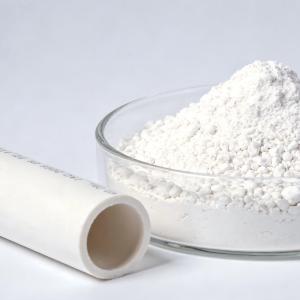
The main components of PVC flooring include polyvinyl chloride powder, stone powder, plasticizers, and stabilizers. These raw materials are widely used industrial materials, and their environmental safety has been verified for many years.
2. LVT flooring
LVT, or "Luxury Vinyl Tile", boasts high fidelity and wear resistance. This flooring is widely used for ground decoration in commercial buildings and residential areas, and is highly favored for its excellent durability and aesthetics.
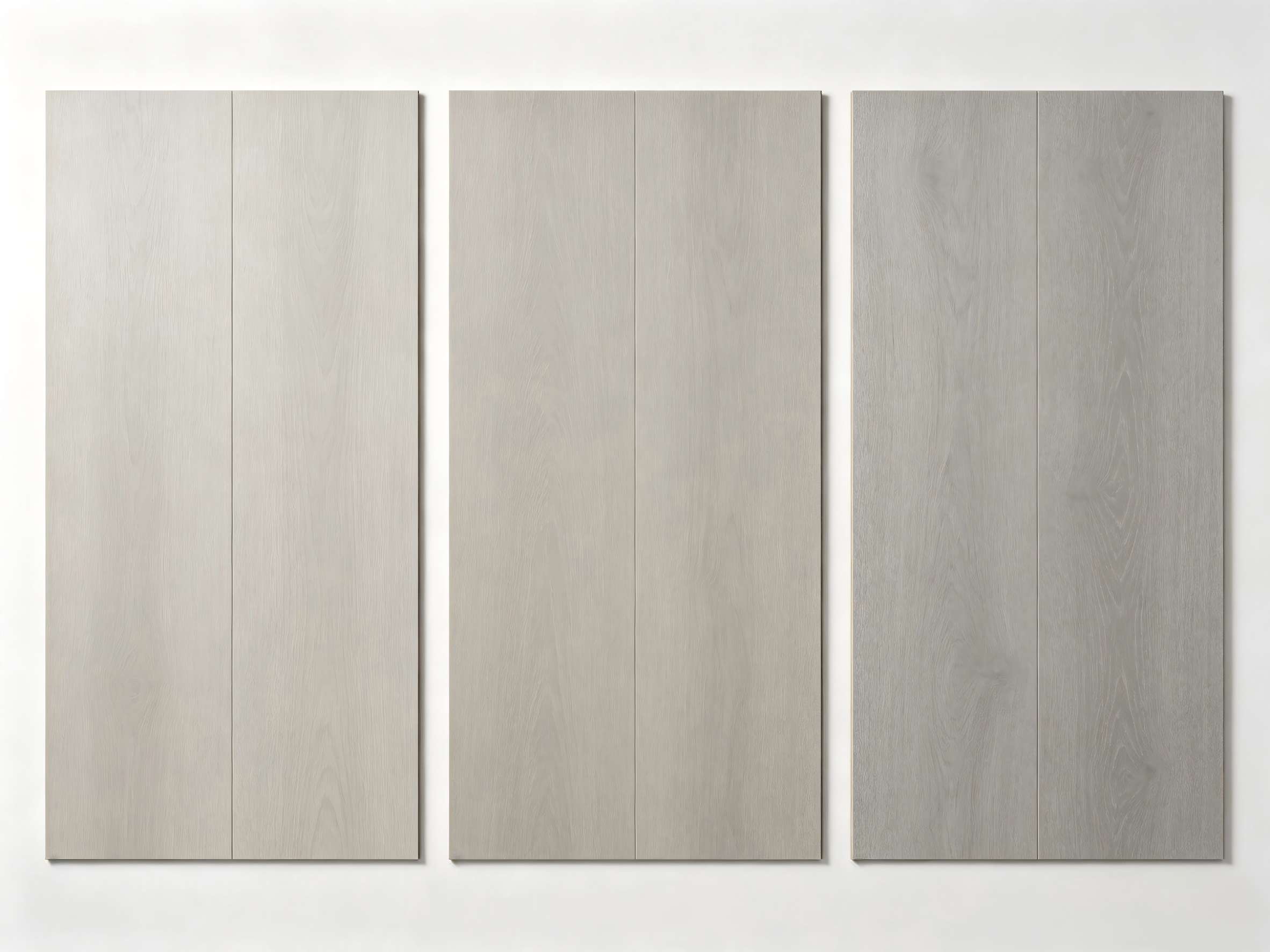
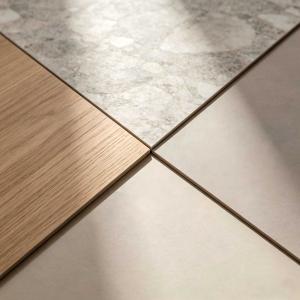
LVT flooring is a high-quality, resilient flooring that can realistically simulate wood and stone flooring. LVT wood-grain stone-plastic flooring captures the color and texture from various natural woods, achieving a wood-grain effect that is almost indistinguishable from the real thing. LVT stone-grain stone-plastic flooring not only reflects the colors of stone but also distinguishes between glossy and matte finishes.
LVT not only emulates wood and stone patterns visually, but also boasts multiple advantages. In terms of elasticity, unlike hard materials such as stone and tile, LVT imitation stone flooring provides a more comfortable experience. LVT flooring possesses unique anti-slip capabilities, while ensuring sufficient stain resistance and being easy to clean. It also exhibits good stability, is mold-proof and insect-proof, and is wear-resistant and durable.
3. SPC flooring
SPC flooring, also known as Stone Plactic Composite, is a type of rigid plastic flooring that can bend, albeit to a lesser extent compared to LVT flooring. It not only boasts high "appearance value" but also exhibits excellent waterproof and moisture-resistant properties. Compared to laying floor tiles, it is more cost-effective and saves time in installation. SPC flooring is produced through one-time heating and bonding, eliminating the need for glue.
SPC flooring boasts numerous advantages, such as high environmental friendliness; waterproof and moisture-resistant; insect and moth-proof; high fire resistance; excellent sound absorption; no cracking, deformation, or thermal expansion and contraction; affordable price; convenient installation; and free of harmful substances such as formaldehyde, heavy metals, phthalates, and methanol. The disadvantage of SPC is its high density, which makes it relatively heavy and incurs higher transportation costs; its thin thickness also requires a certain level of ground flatness.